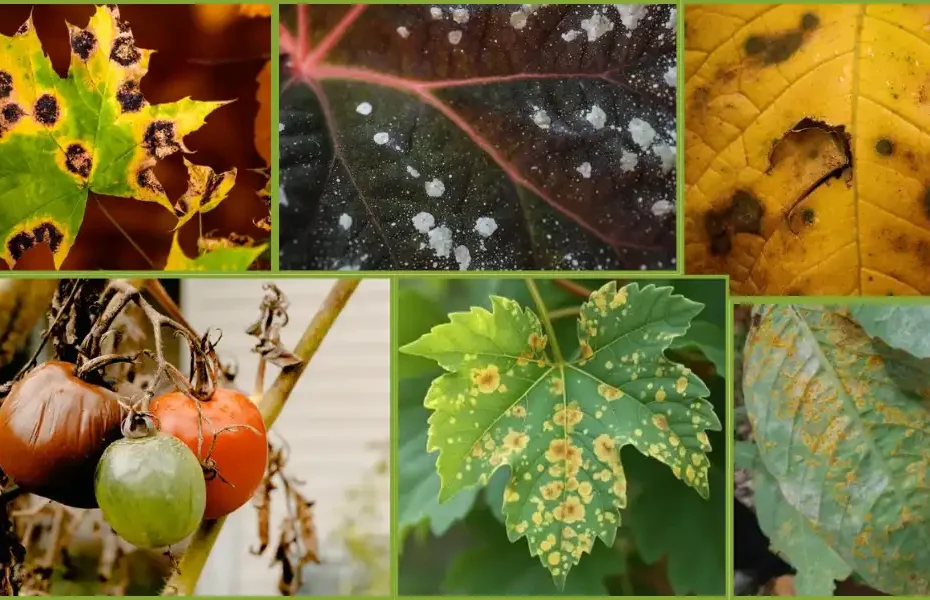
Fungal pathogens are behind the majority of plant diseases, so for home gardeners, horticulturists, and commercial growers, it remains a persistent challenge. And unlike insects that tend to show obvious nibbling, these fungi penetrate plant tissues, disrupt water and nutrient transport and nutrients, and reduce photosynthetic efficiency. If you don’t handle it, many fungal infections can spread rapidly through a garden, or even across an entire agricultural field, and then you end up with heavy crop losses.
Spotting early symptoms, understanding how fungal pathogens proliferate, and using targeted management strategies are key steps that help keep foliage healthy and help yields stay strong.
What Is Fungal Disease in Plants?
Like human beings, plants do get attacked by fungi. A fungal disease in plants is an infection caused by microscopic fungi that penetrate plant tissues, disrupting water and nutrient transport, causing tissue death, and ultimately reducing crop yield. Fungal pathogens proliferate in damp, humid environments and spread via wind, water, contaminated tools, and infected plant material.
The 5 Most Prevalent Fungal Plant Diseases
For plants, most of the green plants get attacked by some common fungi that cause fungal infections within them. Let’s get to know about some of the common fungal diseases in plants.
Different fungal species do, in practice, show their own host preferences, like which plants they can tolerate best, plus they often aim for particular ideal temperatures and certain moisture needs, not the same for all. Based on the habitat and requirements, we have identified five of the most common diseases that every garden and crop field faces.
Powdery Mildew (Erysiphales)

- Primary Targets: Cucurbits(cucumber, squash), roses, zinnia, apples, grapes
- Key Symptoms: Mostly seen in the leaves of white or gray-coloured flowers. It comes with a powdery texture and spots over the leaves, buds, and tender stems. With the effect of the fungus, the flower buds, leaves, and stems become yellow and the flowers curl upwards and drop prematurely.
- Environmental Drivers: It requires high humidity, dry leaf surfaces, and stagnant air movement. For their germination, they don’t need any water or leaf surface.
Black Spot (Diplocarpon rosae)

- Primary target: Mostly affects roses. Also harms the same species of ornamental plants.
- Key Symptoms: You can see dark circular spots with a kind of feathery or fringed edges showing up on the upper leaf surfaces. As the lesion gets bigger, the leaf tissue around it starts going yellow, like chlorosis, and then it can lead to really severe defoliation.
- Environmental Drivers: Extended leaf dampness, meaning at least 6–7 hours of nonstop moisture, when temperatures are warm, around 65–75°F (18–24°C).
Plant Rusts (Pucciniales)
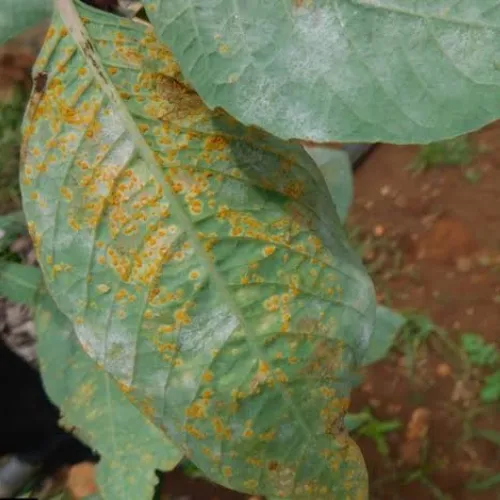
- Primary target: Hollyhocks, beans, daylilies, lawn grasses, and fruit trees
- Key Symptoms: Comes with an orange, yellow, or rusty red mainly grows on the underside of foliage. The upper leaves develop pale spots.
- Environmental drivers: High moisture, heavy dew, and moderate temperatures. Rust fungi are mostly obligate parasites with complex multi-stage life cycles that can sometimes need two separate host species to finish everything.
Late Blight (Phytophthora infestans)

- Primary Targets: Affected solanaceous crops like tomatoes, potatoes, eggplant, peppers, tomatillo, and tobacco.
- Key Symptoms: Fast-growing, water-soaked spots, dark brown to almost black, start showing up on the leaves and the stems. Once it sits damp for a bit, there is a very thin, whitish layer of growth that seems fungal; it can show up on the underside of the leaves. Within days, entire plants may collapse. After that, the tubers and fruits can end up with dark, hard rot; it really takes hold.
- Environmental Drivers: Late blight thrives in cool (10-20°C/50-68°F), persistently wet conditions with relative humidity above 90%. The foggy, overcast weather patterns of coastal regions and cool growing seasons create ideal conditions for rapid disease spread. Spore germination requires free moisture on leaf surfaces for as little as 1-2 hours under these temperature conditions.
Downy Mildew (Peronosporaceae)
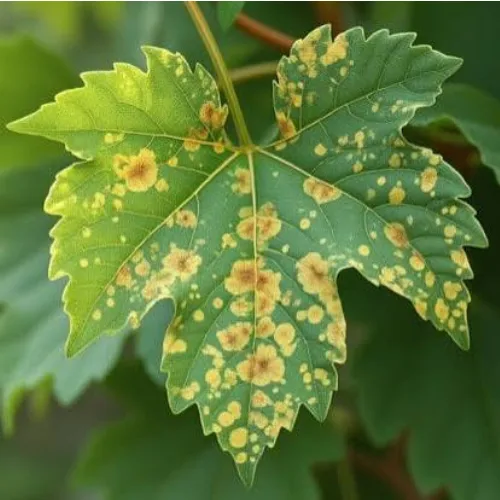
- Primary Targets: Spinach, lettuce, grapes, basil, and cucurbits
- Key symptoms: In Angular spots, pale-yellow patches show up on the top surface of the leaves, and they are kept strictly inside the lines of the leaf veins. On the matching underside, you might then see downy gray growth, with a purplish tint, or even something that looks white and fuzzy, covering the leaf surface.
- Environmental Drivers: Cool and persistent high moisture or leafwetness is responsible for germinating the fungisites.
How Fungal Pathogens Spread
Germination of the fungal infection in plants is based on some relative circumstances. A fungal disease requires three factors to occur simultaneously.
- A susceptible Host
- A virulent Pathogen
- A favorable Environment
Fungal spores disperse primarily through
- Wind: Microscopic spores travel miles on air currents
- Water: Raindrops, or the above sprinklers, do bounce fungal spores up from infected soil or from the lower leaves, and into the main canopy area. It gets easily spread up and destroys the plants evenly.
- Tools and Handling: Pruning shears, gloves, and garden equipment can silently transfer microscopic pathogens from one plant to another and spread eventually.
Integrated Management and Prevention Strategies
Preventative cultural controls consistently outperform reactive chemical treatments in fungal disease management. Establishing healthy growing conditions from the outset — appropriate spacing, correct irrigation, resistant varieties, and regular inspection — reduces disease incidence more effectively than treatment after establishment.
Cultural Practices
- Keep spaces between plants to dry up leaves
- Avoid sprinkling water over plants
- Remove and dispose of infected plant material immediately
Biological & Organic Remedies
- Use herbal remedies like neem oil and turmeric for protection
- Classic organic remedies such as copper and sulfur work better
- Apply Bacillus subtilis — a naturally occurring soil bacterium commercially available as a biocontrol agent — preventatively at 7-14 day intervals during high-risk conditions.
Final Thought
Identify the primary reason for the bacterial impacts on plants and use organic remedies as a process to make a fungal-free environment for greens. These common fungal diseases in plants are vital for plants and can demolish the whole lineage. Knowing these fungal infections and how to prevent them is essential for gardeners, plant lovers, and farmers to grow healthier crops for the long term. We believe this knowledge will help those farmers who want to grow their crops safely for the long time with any hassles and garden lovers.
FAQs
Early signs depend on the specific fungal strain, but the most common indicators include discoloured patches or spots.
While symptoms can overlap, a few key distinctions like lesion shape, textural growth, and progression speed can help to identify the causes of fungal attack.
Baking soda (sodium bicarbonate) does not kill an established fungal infection, but it can act as a preventative barrier.
In general, no. Standard home compost piles rarely reach the sustained temperatures (140-1600F)required to destroy tough fungal spores.
Fungi thrive when three key conditions- excessive moisture, poor air circulation, and extreme temperature align together.
DIY mixtures (such as diluted milk sprays, neem oil, or bicarbonate solutions) are effective preventatives when applied early and frequently.
Root rot is caused by several fungal and Oomycete pathogens (including Pythium, Phytophthora, and Fusarium species). Symptoms include yellowing leaves, wilting despite moist soil, and dark, mushy roots (healthy roots should be white or tan and firm).
Treatment:
1. Remove the plant from its container or carefully excavate soil
2. Cut away all dark, soft roots with sterilized scissors
3. Allow roots to dry briefly
4. Repot in fresh, well-draining mix
5. Apply a diluted hydrogen peroxide solution (1 part H2O2 to 9 parts water) to the soil to oxygenate and reduce pathogen load
6. Reduce watering frequency significantly going forward
Prevention is far more effective than treatment — ensure containers have adequate drainage holes and allow soil to partially dry between waterings.
Pingback: Planting a Clover Lawn: A Step-by-Step Guide