It is no wonder many prefer adding a cucumber to their daily nutrition routine, sometimes in their diet as salads, sometimes on their breakfast sandwich, or even after their lunch. But now the question is, are you aware of the wealth of health benefits provided by the humble green vegetable?
Knowing the benefits probably instils in you the desire to include the green vegetable in your daily routine. Are you feeling summer-induced lethargy, digestive issues, or anything that makes you think of going to a shop to purchase a supplement? Let’s pause and wait for a moment. Read this Farm‘s article to know the 20 Health Benefits of the cucumber before considering any supplement.
Nutrition profile of cucumber
Belonging to the Cucurbitaceae family, the cucumber is a healthy addition to a low-calorie diet. Serving a raw cucumber provides a nutritional value per 100 g,m as seen below in table format
| Calories | 15 |
| Total fat | 0.1 grams |
| Saturated fat | 0 grams |
| Trans fat | 0 grams |
| Polyunsaturated fat | 0 grams |
| Monounsaturated fat | 0 grams |
| Sodium | 2 milligrams |
| Dietary fibre | 0.5 grams |
| Total carbohydrates | 3.6 grams |
| Cholesterol | 0 milligrams |
| Sugars | 1.7 grams |
| Protein | 0.7 grams |
1 of 20 Keep you hydrated
Are you tired of the scorching heat and sweating from the constant exposure to sunlight during the day? Take a bite of a cucumber to replenish the fluid loss and feel refreshed by raising your hydration level. It, meanwhile, acts as a natural electrolyte, helping you to feel refreshed and boost your hydration.
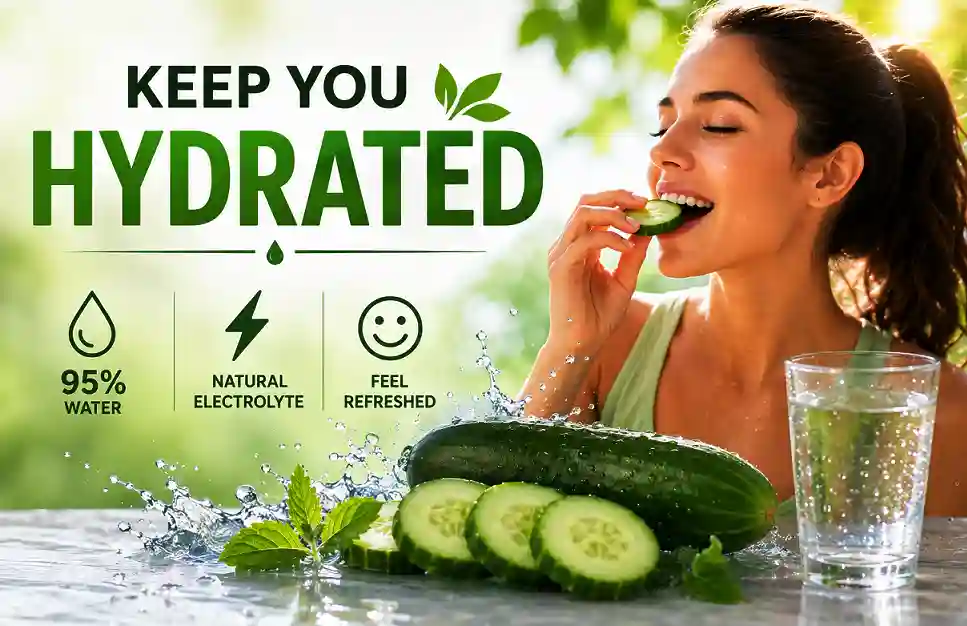
Over 95% water, a cucumber is an excellent water source, helping to retain cellular functioning if regularly taken. Indeed, it keeps the skin hydrated even during the peak of summer. If you want to give your skin natural hydration, grind the cucumber to create a smoother mask and apply it to your skin before rinsing with water after 15 to 20 minutes. Cucumber won’t let you feel dehydrated, keeps your bodily functions under control, and ensures the seamless flow of nutrients in your hydrated body.
2 of 20 Reduce dark patches and Puffiness on skin
If you apply a slice of cucumber to the surrounding area of your eyes, it may assist you in temporarily lessening the dark patches and puffiness. Meanwhile, the anti-inflammatory cucumber helps you soothe the adjoining areas of your tired skin. Besides this, it improves circulation to make you feel hydrated in the delicate areas around your eyes.

This is why it is mostly seen that over-the-counter products often contain cucumber extracts as an active ingredient to cure dark circles. The presence of antioxidants and vitamin K within the cucumber makes it helpful to wipe away dark patches from the skin.
3 of 20 Weight management
If you’re looking for a weight management plan, adding a cucumber to your daily diet as a balanced meal helps you to maintain a healthy weight with some considerable weight loss.
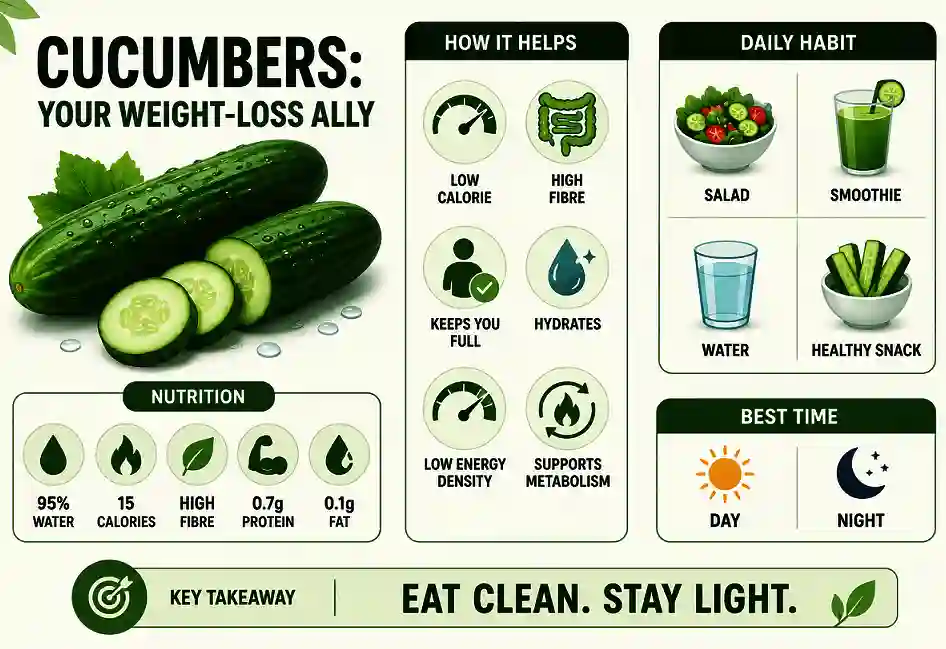
Rich in fibre and low-calorie, the vegetable helps you to bring about a reduction in calorie intake and thereby render no adversity with weight gain. It not only helps to hydrate the cells of the body, but also the water in cucumbers helps you to fill your belly while eating less. The low energy density within it won’t let you gain weight.
4 of 20 Acts as a natural diuretic to support normal kidney function
Cucumber is a natural diuretic, aiding in increasing fluid intake and promoting healthy hydration. It helps to remove metabolic waste and excess water from the body by the kidneys in the form of urine. The substantial and higher watery volume within the cucumber is ideal for normal kidney functioning. This natural detoxification supports our health and acts as an internal cleansing solution during the time of summer and strengthens skin clarity overall.
5 of 20 Keep your body cool, acting as a heat reducer
If you want to keep yourself free from heat rash, irritability, and daily fatigue, eating a cucumber would become a must-have solution. It will help to stay hydrated, cool, and soothe you with its natural cooling attribute, to prevent you from feeling lethargic and tired. It is a natural hydrator to keep your body hydrated and prevent muscle cramps from arising due to heat exposure.
6 of 20 Natural caretaker for the digestive system
Are you someone who is facing constipation and sluggish digestion patterns, making you feel bloated? Don’t worry.
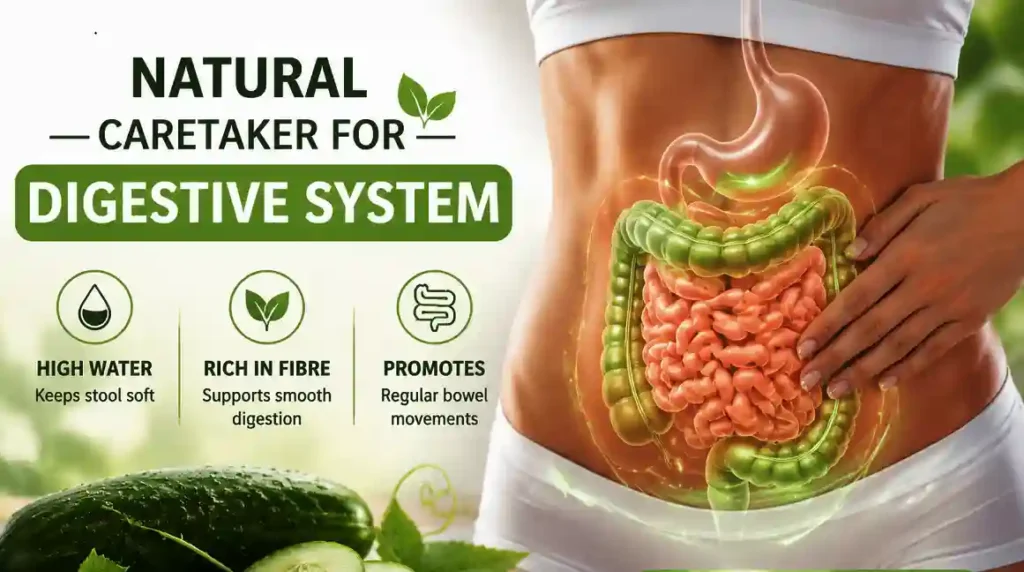
Cucumber is a natural caretaker who aids your digestion and helps you evade the trouble of constipation. The fibre and water content within the cucumber help to keep your stool soft and promote bowel movements with regularity.
7of 20 Helping to regulate high blood pressure
Potassium and magnesium are present within the cucumber, which act as key ingredients to regulate blood pressure. Meanwhile, it helps to regulate sodium balance and dilate blood vessels.
Eating a cucumber supports well-being by monitoring vascular health. Besides this, it lessens the recurring risk of hypertension when consumed regularly. Fibre in cucumber restricts the cholesterol surge and helps to keep us less vulnerable to blood pressure elevation and associated risk.
8 of 20 Deter glucose spikes & help to manage blood sugar
Cucumbers have a low Glycemic Index (GI), something around 15. The low-calorie and carbohydrate content within the cucumber make them ideal for managing the blood glucose level. The dietary fibre within the cucumber helps it act as a physical barrier that slows down the process of carbohydrate absorption and releases it in the form of glucose into the bloodstream in quick succession.
Cucurbitacins in cucumber help to assist in regulating insulin secretion and controlling the metabolism of hepatic glycogen in the processing of blood sugar. That’s why eating a cucumber won’t let the amount of glucose spike higher and cause an elevation of the blood sugar level. People with type 2 diabetes are often recommended to eat a cucumber in their daily routine to deter the spike in glucose levels in the bloodstream.
9 of 20 Cholesterol management and promising better Heart health
In terms of cholesterol management and lowering the quality of LDL (bad) cholesterol, the cucumber somehow helps, as it contains sterols. This natural plant compound competes while assisting in lowering its quality before being absorbed into the gut.
The fibre with cucumber acts as a sponge that binds with the cholesterol and, to some extent, modestly helps to flush them out before they enter the bloodstream, causing the inner lining within the arteries to prevent the flow of blood to your heart.
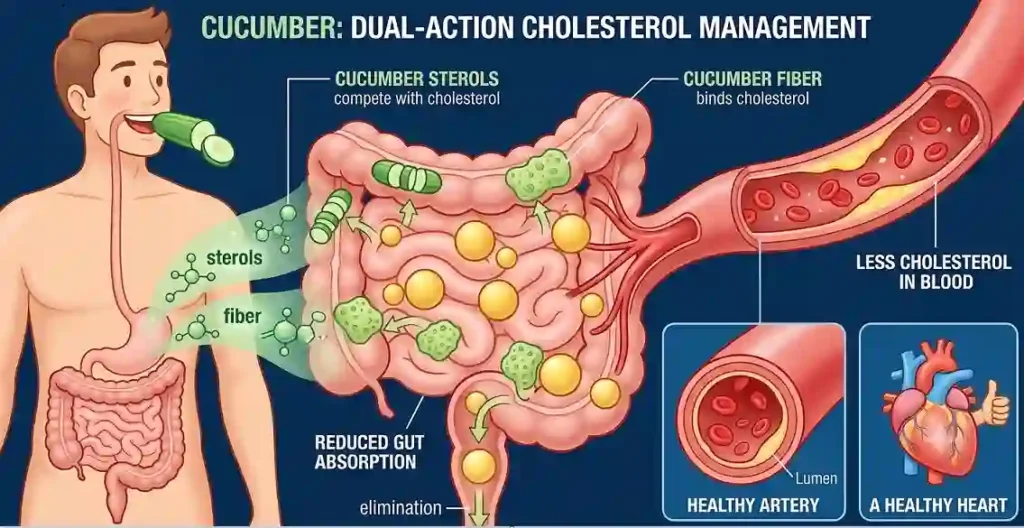
The build-up of fatty lining on the walls of the arteries is undesirable, and it causes atherosclerosis and other heart complications. So, for heart patients, eating a cucumber is an excellent choice for cholesterol management and helps improve heart health.
10 of 20 Immunity booster
Cucumber contains flavonoids and vitamin C, which aid in boosting the body’s immunity to fight against harmful antigens that enter the body and cause illness. Eating a cucumber strengthens our immune response and ensures faster recovery from illness.
The vitamin C present within the cucumber brings forth an encouragement for the production of white blood cells, which act as soldiers to defend against the threat and prevent it from invading our body and causing harm. Flavonoids present in cucumbers make them competent to fight against free radicals, which are unstable molecules that weaken our bodily cells.
11 of 20 Eye Health
Although in small amounts, Vitamin A and Beta-carotene present within the cucumber make it ideal for supporting the vision of the eye and also reducing the strain on the eyes. If someone has dryness and irritation in the eye, eating a cucumber helps to heal the trouble due to its embedded cooling effect.
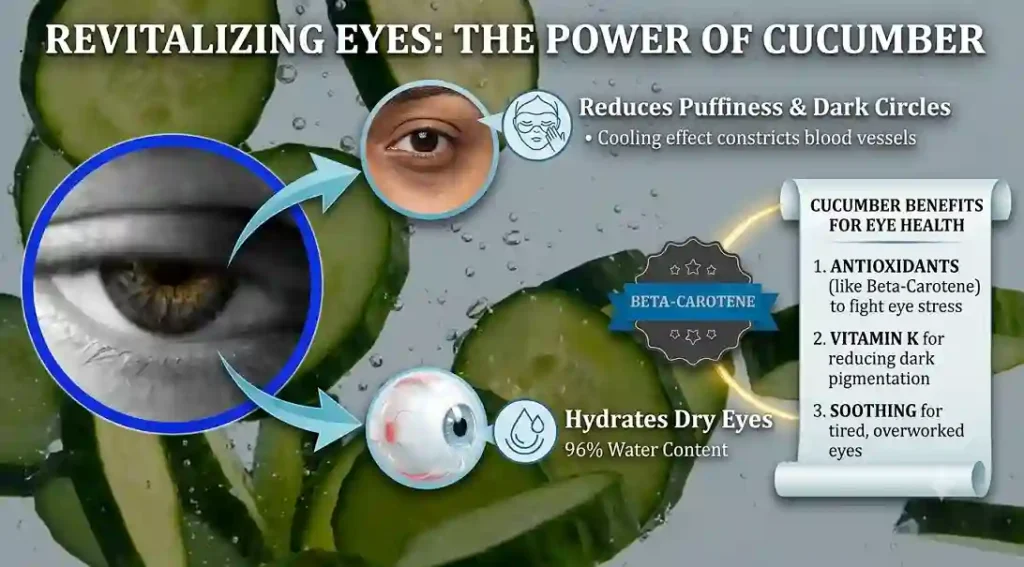
If you are spending hours in the sunlight, taking a cucumber can help you to mitigate the strain on your eyes. If you place a slice of cucumber over your eyes, you can feel a soothing effect on your tired or strained eyes.
12 of 20 Help to evade age-related cognitive decline
Fisetin in cucumber is an anti-inflammatory flavonol that is interwoven with better retention of memory and acts as a shield to protect you from age-related cognitive decline. The nutrients and water packed in the cucumber make it ideal for improving focus, attention, and concentration, making it significant.
95% water within it keeps your entire body hydrated, including your brain, and won’t let you feel stressed by keeping your nerves relaxed and calm. In neurodegenerative diseases such as Alzheimer’s or dementia, an elevation of oxidative stress is often seen. The presence of antioxidants in substantial amounts in cucumber helps to shield the brain from such recurring strain from oxidative stress and supports the functioning of neurotransmitters to promise better brain health.
13 of 20 Soothe skin from sunburn
The anti-inflammatory and cooling properties of the cucumber help to lessen redness, discomfort, and inflammation on the skin, and applying them to sunburned areas of the skin gives quick relief and soothes them.

The breakouts of acne within the skin render a burning sensation, and the topical application to the skin gives immediate relief from the mild burning, irritation, and swelling.
14 of 20 Better skeletal health & bone density
Cucumber contains vitamin K, which acts as a support to improve skeletal health and bone density. If you consider the older adult, women after postmenopause, and also the individual who has had serious bone issues, they need to consider it for reducing the recurring risk of bone fractures and trouble with low bone mineral density.
15 of 20 Neutralising mouth odour and combating bad breath
The phytochemicals and water content present within the cucumber are ideal for cleansing our mouth and reducing the detrimental impact of bacteria causing bad odour. If you chew a cucumber, it will bring forth the stimulation to produce saliva, washing away the food particles naturally and helping to combat bad breath.

If your mouth remains dry, it would raise the bad smell from your mouth, but keeping it wet and clean by eating a cucumber won’t let you feel any foul smell.
16 of 20 Boost energy level
Cucumber contains vitamins, minerals, and enough watery content that helps to support the overall metabolism and modestly helps to reduce lethargy and fatigue. For a tired body to stay rejuvenated, it helps you keep an individual active without depending on sugary drinks or caffeine for acquiring the energy boost.
17 of 20 Helps to maintain a balanced pH to reduce acid reflux or indigestion
The alkaline properties of the cucumber soothe the irritation caused by gastric discomfort and neutralise the acidity within the stomach. The cucumber is capable of keeping a balance of pH level and helping people who are frequently dealing with acid reflux, heartburn, and digestive disturbance due to acidity. It is a natural buffer that dilutes the concentration of stomach acid, and eating it helps to restore the acid balance to fight against indigestion.
18 of 20 Protects against cancer
The presence of Cucurbitacin B is found in higher amounts in the cucumber. Meanwhile, a plant compound found naturally in cucumbers is gaining traction for its role in coping with the ominous impact of cancer cells. Cucurbitacin B is ideal to give our body resistance to prevent the growth of cancerous cells and possibly cause them to die before they further spread.
Although laboratory studies show cucurbitacins may have anti-cancer properties, more human studies need to be carried out. The high quantity of fibre makes them helpful in reducing constipation and protects against the deleterious impact of colon cancer. Cucurbitacin B also helps our body against prostate, liver, lung, and breast cancer.
Free radicals are vulnerable and jeopardise an individual’s health to certain types of cancers. Eating a cucumber helps to neutralise harmful free radicals, may help to lessen cancer risk, and may support the reduction of the growth of cancerous cells.
19 of 20 Hair Growth
Cucumber contains sulfur, silica, and vitamin C, which play an important role in bringing proper nourishment to the hair follicles and maintaining the health of the scalp. It acts as an instrument to provide mechanical strength to the hair strand, reduce the frequency of hair falling, and may support the overall growth of hair.
If you include cucumber in your diet, you can find a visible outcome with your external hair care, with an internal solution to prevent frequent hair loss. The capability of higher moisture retention makes them ideal to keep hydrating your hair and your hair follicles, getting adequate quality of essential nutrients due to their competence in nutrient absorption.
20 of 20 Aid in mood regulation
The presence of abundant minerals and vitamins within the cucumber is ideal to regulation of our bodily response to stress and has calming properties, helping to energise and soothe our minds. B vitamins within it take care of the nerve function and are intertwined with the production of neurotransmitters to aid in our mood regulation.
| MEDICAL DISCLAIMER: This article is for informational purposes only and is not intended as medical advice. Consult a qualified healthcare professional before making significant changes to your diet, especially if you have existing medical conditions such as diabetes or kidney disease, or are taking medication. |
Final thought
Cucumber is a nutritional powerhouse, providing a myriad of health benefits. Meanwhile, it helps to keep us hydrated, helps to support our digestion, and is an essential ally for skincare. By including them in your daily diet, you can fetch maximum benefits and acquire better health. So from now onwards, if in the future you somehow become a bit perplexed and unable to decide what to add to your meal as a refreshing addition, you may consider a cucumber, which would provide ample benefits for sure.
Frequently asked questions (FAQs)
Yes, cucumber is rich in fibre and low-calorie, enabling you to bring about a reduction in calorie intake and thereby assist in losing weight.
Yes, if you have diabetes, you can eat cucumbers as recommended. In fact, they contain lower-quality carbohydrates.
Around 200–400 grams of cucumber is safe for healthy adults, and one can consume 1 to 2 medium cucumbers as a nutritional daily requirement.
95% water content is present in a cucumber; thus, they may prove helpful to remove creatinine and uric acid from the urinary flow. Eating a cucumber helps to keep us healthy and acts as a kidney-friendly food. Consulting the doctor is a prerequisite for people with kidney disease.
The cucumber has 95% water and contains multiple vitamins, making it effective for skincare as a good, naturally available component. Vitamin C within the cucumber makes it an active component that leads to glowing & healthy-looking skin.
Potassium and magnesium within the cucumber assist in regulating blood pressure by keeping a perfect balance of sodium levels and also aid in dilating blood vessels.