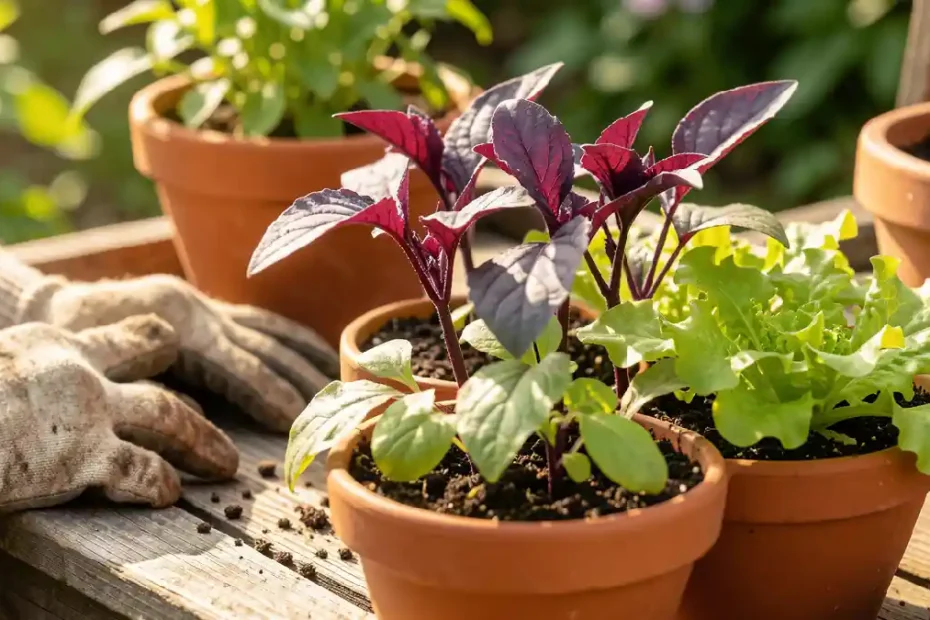
As February knocks in, it’s time for some spring gardenin’… The harshness of winter has almost come to an end, preparing the earth for some jovial makeover. But wait, you’re still unsure of what to plant in February? Worry not, we have got your back!
With relatively calm skies and temperatures, February provides you the best opportunity to sow your favourite seeds and plants. If you are already living in a warm place, sowing summer vegetable seeds can give remarkable results. For cooler places, focus on cold-resistant leafy greens, root vegetables and flowering shrubs.
Stay with us till the end if you wish to obtain the best planting ideas for February along with valuable tips for their proper thriving. Wish you happy spring gardening!
Why is February ideal for planting?
Whether a vegetable or flower garden, she reaches her peak youthfulness during the springtime. It is February when this weather transition (from winter to summer) happens. The stiffened soil is revived by the warmth of sunlight, making way for new plants to spread their roots inside.
Here are some planting benefits that February offers:
- Perfect balance of temperature – neither too cold nor too hot
- Proper moisture maintenance of soil
- Zero interruption to developing roots
- Better nutrient uptake by plants
By the end of February, your seeds (or plants) will be actively growing with a healthy, blooming look, consisting of new leaves and buds. What’s more? You can expect them to develop a better adaptability to the scorching summer heat, along with the power to cope with extreme dry periods.
Top 10 edibles to grow this spring
Vegetables
- Tomato
It is one of the most colorful and flavorful vegetables to grow in your garden. From preparing simple salads to spicy curries, they are used everywhere. Tomatoes do not need high maintenance – just a bit of warm weather and proper watering at the roots; and you are done. However, if you stay in a cold region, do protect the plant from frosts and ensure an artificial heat source is kept near the plant.
- Chili
What else could be better than growing this hot and spicy appetizer in your own garden when it is spring outside?! Chillies grow the best when the weather is on the warmer side and the soil is moist. Wear a pair of handgloves while sowing the chili seeds (in small pots) and once new shoots emerge, transfer them to a bigger space.
- Brinjal
If you are unsure of what to plant in February, try sowing the seeds of this lovely, purple veggie in your lawn. Also known as the eggplant, it is one of the most common ingredients to be found in the kitchen. Put about two or three seeds in a small pot containing compost and soil and leave them to germinate. Keeping a consistent, warm temperature during this period can prove beneficial.
- Radish
It is a cold-resistant, root vegetable that grows well in the late winters. The golden rule of cultivating radish is to plant its seeds in moist soil a fortnight before the mercury starts to rise. Post-germination, you must ensure that the seedlings get ample sunlight (about six to eight hours per day) and are protected from frosts.
- Pea
Dropping these little seeds into moist, tilled soil during the springtime can offer you unlimited stock of the same throughout the year. You will simply need medium trays, or empty tissue paper rolls filled with compost mixture for this. Embed the seeds thereafter and watch out for germination. Once germinated, transplant the seedlings into your garden and water them whenever needed.
Some other vegetables that you can grow are:
- Lettuce
- Broccoli
- Onions
- Kale
- Leeks
- Broad beans
- Rhubarb
Fruits
- Strawberry
It is a fruit rich in good nutrients and taste, often added in desserts as toppings. You can plant its seeds during mid-February when the temperatures are moderate and cool. However, if you live in colder areas, protecting this delicate plant from frosts becomes essential. Last but not least – regularly feed the soil with organic nutrients and ensure the roots are properly dug within.
- Apple
Apple cultivation requires a fine balance of sunlight and cool weather, which is easily available during February. First, prepare the land by mixing plenty of decomposed kitchen wastes or manure. Afterwards, plant the roots in it while ensuring the grafting spot (the swollen part of the stem) is above the soil surface.
- Raspberry
Similar to the strawberry plant, raspberries too require cool and moderate weather for effective germination. You must avoid planting when the land is covered with frost and also ensure no water stagnates near the roots. For obtaining best results, transfer the raspberry plant to a well-sunlit place.
- Blackcurrant
These plants grow well in moist land, hence, proper watering of soil is necessary. You must plant the stem quite deeper into the soil (about six cm.)and fix it there firmly. Additionally, mulching the soil with compost, and proper pruning of stems helps in greater productivity.
- Peach
It requires well-drained soil that is rich in organic manure. Since the peach is a very delicate plant, extreme cold and hot temperatures must be avoided at all costs. Planting must be done such that the rootball maintains the same level as that of the soil surface. Timely mulching of soil and removal of weeds is needed.
Some other fruits that you can grow:
- Apricots
- Plums
- Pears
- Blackberries
- Lemons
Springtime’s takeaway
February marks springtime and is a crucial month for everyone, especially for gardeners. If you are fond of gardening but repeatedly face the question “What to plant in February?” in your head, hopefully this blog will help you resolve all your doubts. For personalized advice, you can always consult your local gardening experts or planters to understand what type of plants will suit your land and climate.