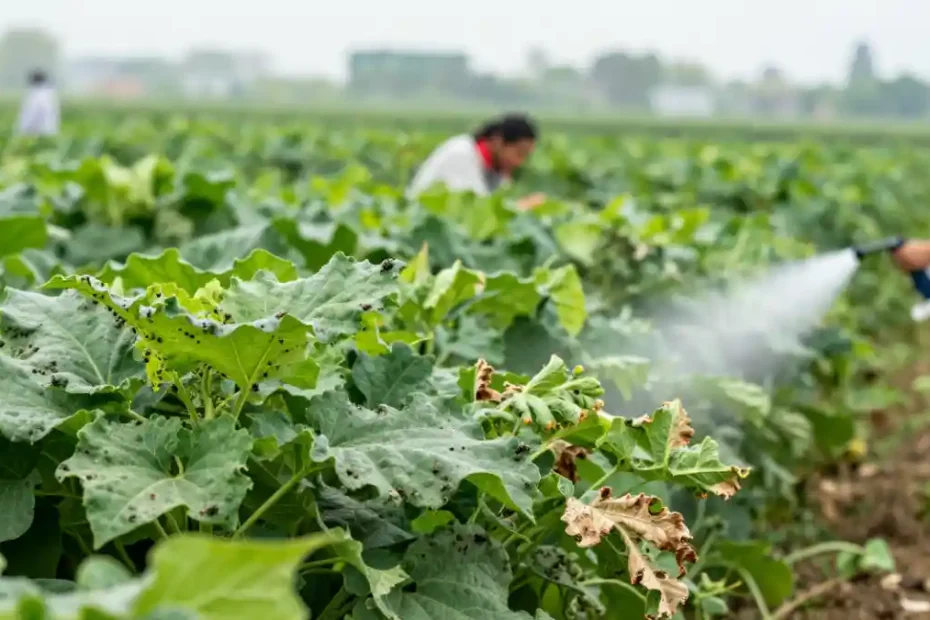
Dealing with the never-ending battle against agricultural pests? Totally understandable!
Agricultural pests can turn your thriving crop into a battleground at any time. Farmers worldwide have been dealing with these creatures for thousands of years…and the battle is ongoing, we guess.
However, agricultural scientists constantly come up with emerging methods for pest control, and we are going to share the 5 most effective damage control practices ahead. But before jumping into the methods, let’s understand what is an agricultural pest, common types of pests, and how they may damage your crops.
What Is an Agricultural Pest?
An agricultural pest is an organism, including any insect, fungi, weed, animal, or nematode, that damages crops, reduces yield quality, spreads disease, or interferes with production.
“Agricultural pest” is a subjective term, referring to unwanted organisms that negatively impact the yields. These creatures not only cause economic loss but also threaten food security.
So, with rising global food demand, farmers are working hard to prevent and control pest damage. But the prevention and control method only works when you understand which type of pest has attacked your crops.
Understand Common Types of Agricultural Pests
Though crop types or insect species are different, pests are universal threats. Here are some common types of agricultural pests that can affect your yields:
Grasshoppers
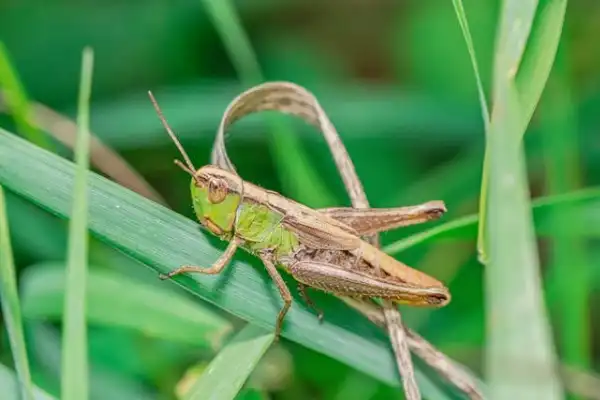
Grasshoppers migrate from dry borders into green fields in large swarms, often causing severe damage to crops. These insects have powerful mouthparts that can chew almost any type of plant leaves, stems, flowers, and fruits. Clearly, they are able to cause huge damage in a very short period of time. So, the faster you take action, the better control you’ll have.
Beetles
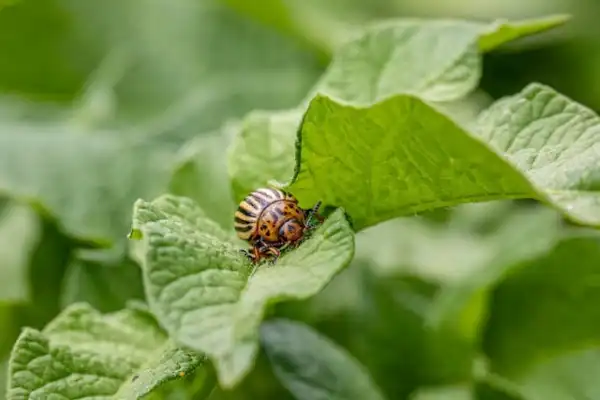
Both the larvae and adult beetles cause damage to crops from roots to fruits, hampering their growth, wilting, productivity, and even causing death. While some beetle species larvae live in the soil and feed on the plant roots, other beetles chew small holes in the leaves and reduce the plant’s photosynthetic capacities.
The beetle attack is most common in leafy vegetables like broccoli, cabbage, cucumbers, and some root vegetables. If no preventative actions are taken ahead of time, they can transmit plant disease while feeding, causing massive damage throughout the crop.
True Bugs
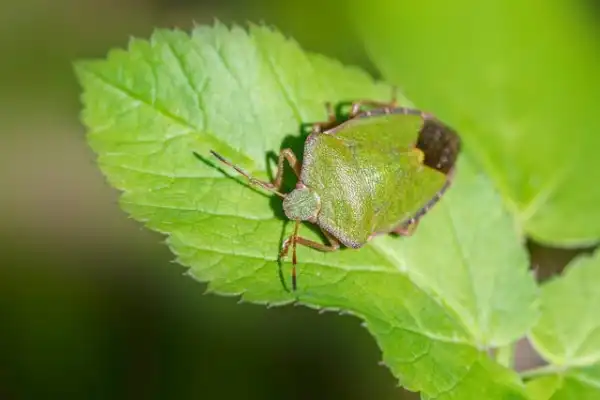
This is one of the most common agricultural pests that farmers all across the world battle with. These tiny insects, Hemiptera, have needle-like mouthparts that pierce plant tissues and suck out sap. It causes yellowing, wilting, and stops growth. Also, while feeding, the bugs inject saliva, which leads to dead tissue, fruit deformation, and viral transmission.
The toxic saliva causes more damage than physical feeding damage. So, the plant disease they spread is quick and severe.
Cutworm
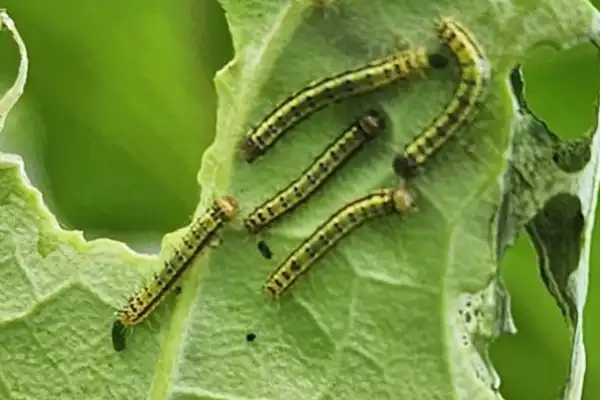
Cutworms are the larvae of moths that feed on plant roots or young plant stems. These worms feed on the plants and can even consume the entire seedlings, leading them to wilt and die.
These larvae hide in the soil or root debris during the day, which is why it is difficult to identify them at an early stage. So, if you find irregular holes on the young stems, it is a major sign, and you must take necessary steps to prevent further damage by these agricultural pests.
Corn Earworms

These pests are a type of caterpillar that feeds on the top two to three inches of the corn ears. These worms cause damage from the very beginning by clipping silks, which interferes with pollination and causes poor ear fill. Not only do these damages created by the earworm invite secondary infections like fungi and mould.
If you don’t take any preventive measures, you may end up losing 30% of the yield due to damage. So, keep on reading the next section to discover the best agricultural pest control methods.
5 Proven Pest Control Methods
Till now, you have found what agricultural pests are and the common types that cause significant crop damage. Which means considering preventive methods is crucial. Each method works effectively depending on the pest type and the severity of the damage. Check out these standard methods for agricultural pest control:
Chemical Pesticides
Chemical pesticides are the most common type of pest control method. They come in different forms, like traps, sprays, and baits, for different types of pests. The chemical compositions in it work by attacking the nervous systems of the pests.
Even though chemical pesticides are effective in both commercial farm settings and home gardens, they cause harm to humans, dairy and poultry animals, and pets. But the effectiveness may decrease over the long term.
Physical Control
Physical pest control is another great method for small-scale farms or home gardens. In this method, you create physical barriers or traps to prevent the pests from entering or leaving and kill them using non-chemical techniques. This is more of an environmentally friendly method suitable for organic farming.
Additionally, while chemical pesticides kill beneficial insects, physical control allows you more flexibility over suitable pest conditions. The only drawbacks are that it is time-consuming and requires physical labor.
Cultural Control
This pest control method prevents pest attacks by changing the agricultural environment and manipulating production practices to make the habitat less favorable for pest survival and reproduction. This eco-friendly, cost-effective approach involves modern techniques like crop rotation, sanitation, and production of pest-resistant crop varieties.
In simpler words, cultural control refers to changing the harvest of plant species in a specific area annually to break the lifecycle of pests. This method not only reduces reliance on synthetic pesticides but also enhances the overall health of the crop system.
Biological Control
Another eco-friendly pest control method is biocontrol, also known as biological control, which relies solely on sustainable pest management methods. In this process, the farmers use the natural enemies of pests, like predators, parasitoids, or pathogens, to control pest populations.
This process is environmentally friendly, cost-effective, and only targets the harmful pests. However, this process requires education on pest types and their natural enemies for proper management.
Integrated Pest Management (IPM)
Integrated Pest Management is a modern, science-based method to manage pest damage. This proactive approach combines chemical, physical, biological, and cultural tools for long-term pest damage prevention.
The IPM process helps farmers by monitoring and identifying pest population levels to determine whether they are a threat or just a nuisance. If the threat is big, then the long-term solution is to remove the food, water, and shelter sources. Then create physical barriers, produce natural enemies, and use chemical pesticides where needed.
Many farmers have already started following this effective method to prevent and control agricultural pest management.
Bonus Tips for Preventing Pest Introduction and Damage
Here are some bonus tips for preventing pest introduction from the very beginning and controlling damage more efficiently:
- Monitor the pest cycle and remove the infected plants immediately, and destroy the crop residue after harvest to prevent overwintering pests.
- You can add compost to boost the plant’s immunity to fight against pest attacks and use solarization to kill soil-dwelling pests.
- Physical barriers are really effective, like using row covers, netting, or ProTekNet to exclude pests. However, make sure the physical barriers allow proper sunlight.
- Sanitize the tools after removing the infected plants to prevent the spread of diseases and soil-borne pests.
- If you are running a home garden or a small-scale crop system, you can use oil, castile soap, or diatomaceous earth as organic pest control tools.
Bottom Lines
Hope the answer to what is an agricultural pest helps you develop a better understanding of proper crop management.
Now that you know various types of pests, it will be easier for you to determine which pest control method will effectively control damage. Also, follow the bonus tips for managing the pests better.
If you have further queries related to farming and yielding, stay connected with us.
FAQs
True bugs are one of the most common types of agricultural pests that can be found in any crop, all around the world. Even though the species may be different, the damage they cause by piercing the plant tissues and injecting toxic saliva is similar. You can follow any of the above methods to effectively manage the true bugs.
Spider mites, diamondback moth larvae, and thrips are very hard to find in crops at the early stages. They hide within the plant tissues and mimic the colour of the plant itself. Using the IPM method can help you identify these pest attacks from the very beginning and allow you to mitigate them before they start to damage your yield.