
Eradicating the annoying pests from your field or your garden seems like a never-ending battle? Totally understandable!
The rapidly growing population of Earth demands a continuous supply of food, and with high yields comes a high risk of pest infestations. These annoying pests feed on plant parts and hamper the health of plants, affecting the crop yield. Pest infestation causes an annual loss of 290 billion rupees in India alone, with an average of 30%-50% loss in production. Therefore, a thorough and scientific management system of these pests is inevitable to ensure a constant supply of food in the market.
Why is Pest Control Essential in Farming?
Pests that invade the field and lower crop yield are of two types: Animal Pest and plant pests. Animal pests such as caterpillars, aphids, locusts, and rats, and plant pests like various invading weeds and fungi absorb nutrients from crop plants while damaging them. Some invasive animal pests, like rodents and termites, can be found in homes as well. Before discussing the methods of pest control, let’s dive deep into some pests and the harm they cause.
List of Some Common Pests and Damage Caused by Them
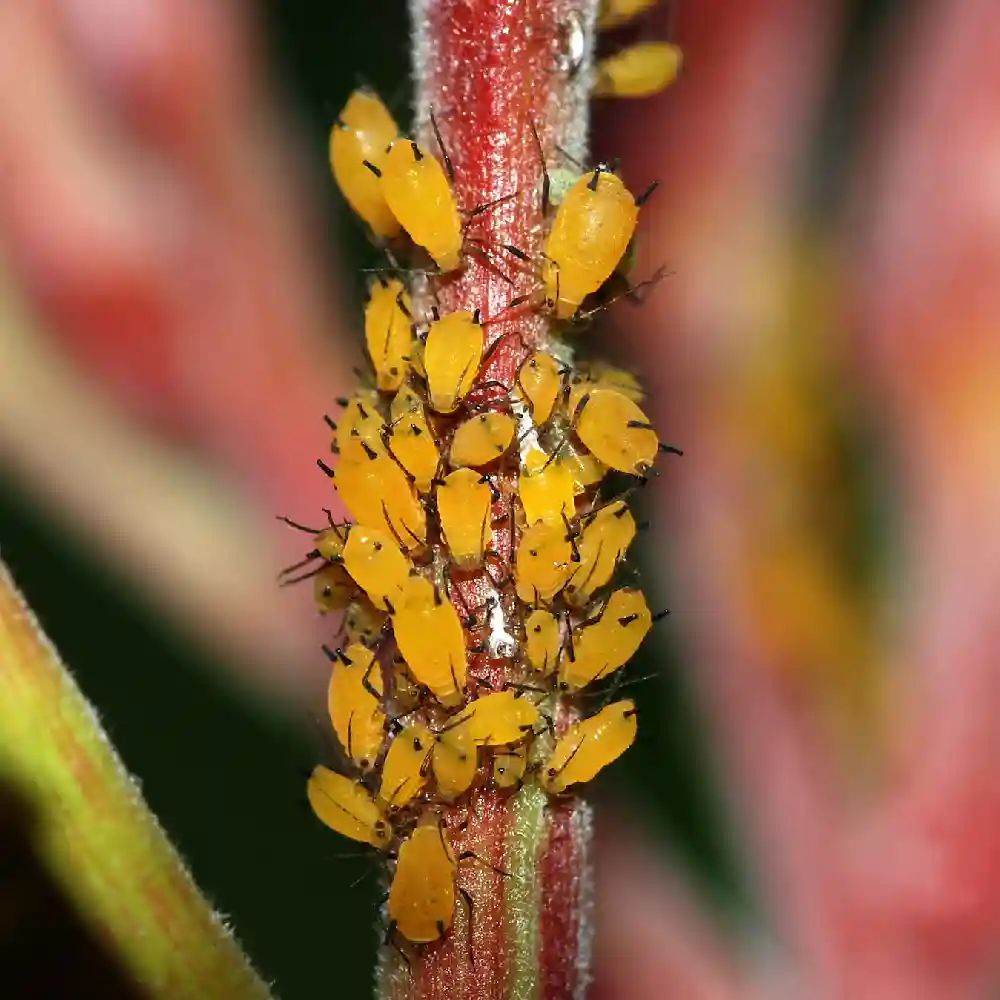
Aphids (Aphididae sp.)
Aphids are one of the most widely spread pests throughout the world that affect mustard, wheat, and pulses. They feed on plant sap and form clusters. This affects the xylem and phloem tissue of plants. Their infestation causes the curling of leaves and reduces the flow of nutrients. Also, they can transmit germs through their saliva, causing fruit deformation and dead plant tissue.
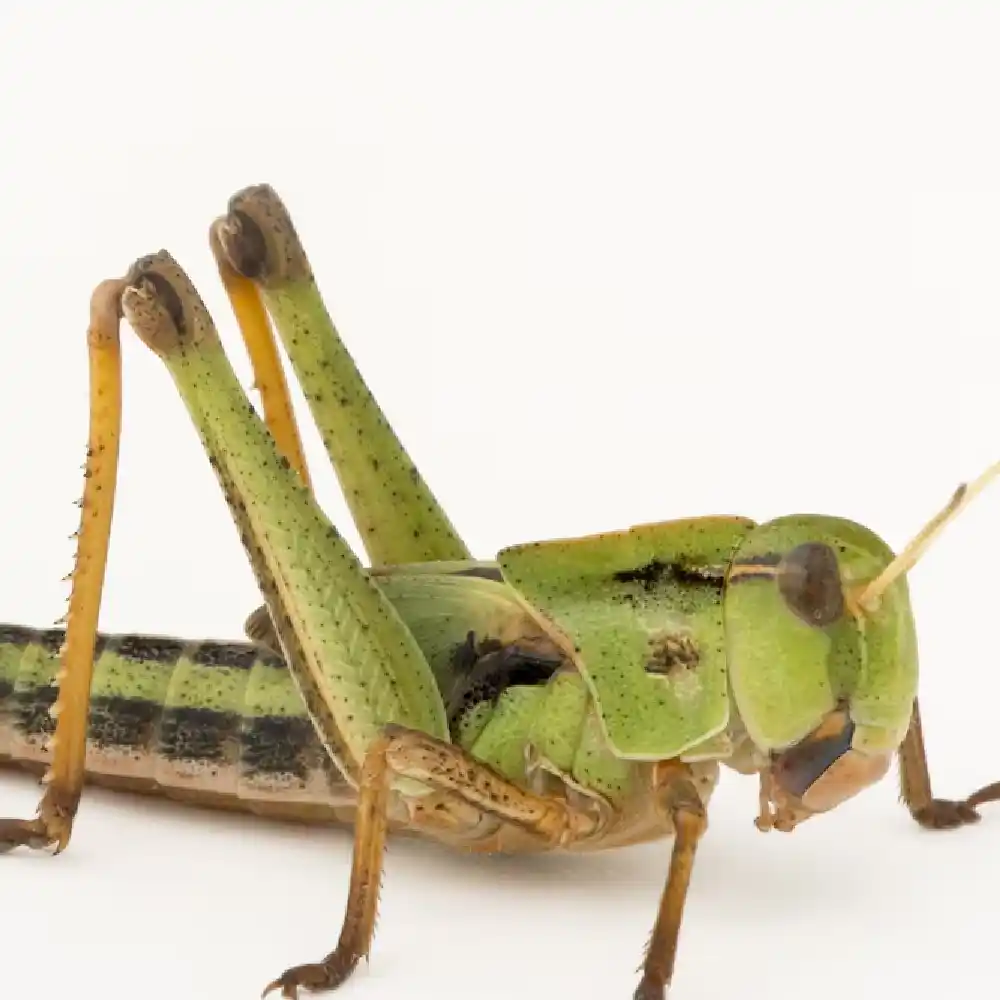
Locusts (Schistocerca gregaria flaviventris)
Locusts originate in the desert and move in large swarms. They have an extremely high reproductive rate, spawning twenty times more new offspring in each generation, which occurs every three months. These large swarms pose a serious threat to the food supply worldwide. They are a species of grasshoppers, which means all locusts are grasshoppers, but not all grasshoppers are locusts. Locusts have powerful mandibles and can eat almost every part of the plant- leaves, stem, flowers, and fruits.
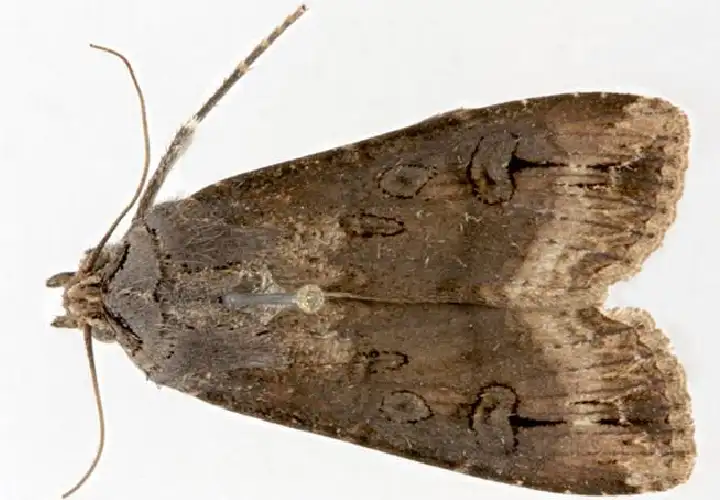
Cutworms(Agrotis ipsilon)
Cutworm infestation happens at the seedling stage. Wheat, pulses, and barley are prone to cutworm attacks. This result in poor plant growth and uneven crop yield.
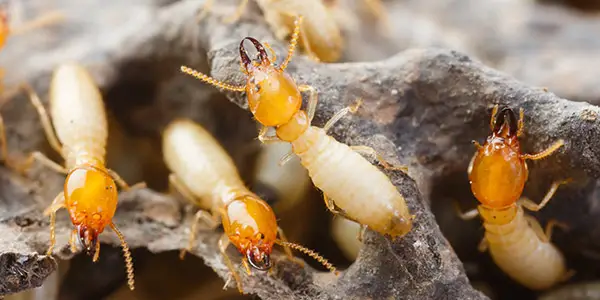
Termites (Odontotermes obesus)
Termites pose a serious concern to crops in dry and sandy soil. They feast on roots and other underground plant parts. As a result, plants produce low yields and die. Wheat and chickpea plants are vulnerable to termite infestation during the dry season.
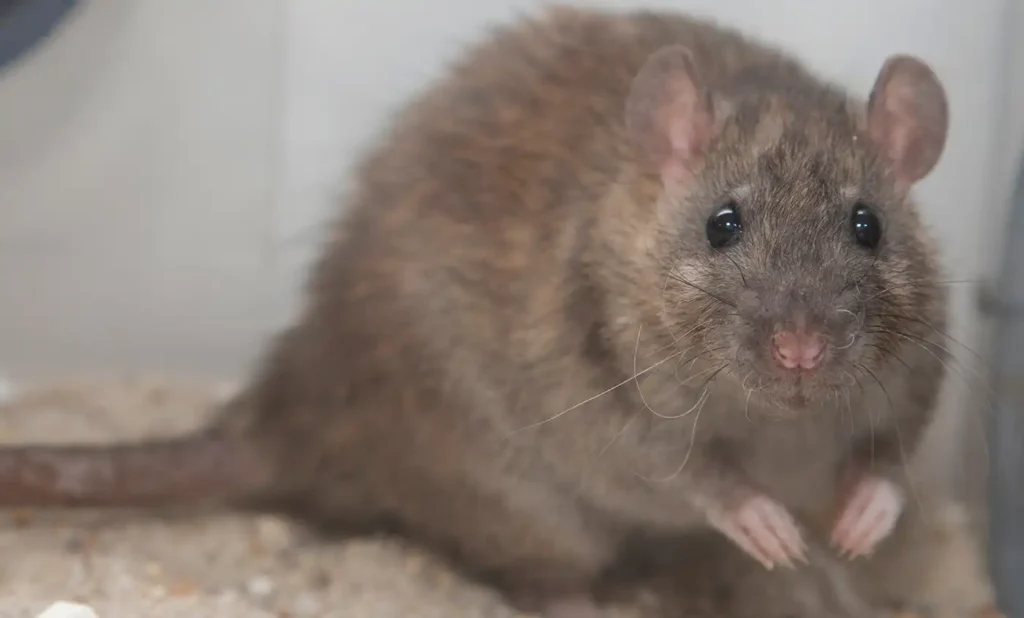
Rat (Rattus norvegicus)
A rat is a kind of rodent species found in common households and fields. They damage crops, infest food storage, consume almost 3%-5% cereals, and spread many diseases among humans. Such diseases include plague, hantavirus, leptospirosis, rat-bite fever, salmonellosis, etc. The infamous bubonic plague infection, known as the Black Death, is known to us all, which killed almost one-third of the population in Europe during the Middle Ages.
What are the four methods of managing pests? The Four Different Methods
There are four main methods of dealing with pests in agriculture: physical, biological, chemical, and Integrated Pest Management (IPM). These professional approaches have been found most effective in dealing with pests.
Physical control
The Physical Control method is one of the oldest, time-tested, and environmentally friendly methods of pest control. The idea is to block the pest’s access to crops or catch them. It requires you to set traps or barriers near the entry and exit points of the pests. Once they are caught, you can either kill them or take any other necessary method.
Pros
- It works instantly and does not cause harm to the environment.
- Prevents the pests from accessing the plants, thus stopping the infestation even before it occurs.
- Offers permanent solutions as long as the traps are intact.
Cons
- You need to check regularly if the system is intact or not.
- Each trap or barrier is built for a distinctive role. A rat trap can’t kill other pests. Similarly, a mosquito net is practically toothless against large-scale infestations of locusts, cutworms, and aphids.
- Some barriers, like stainless steel ones or UV barriers, are expensive.
Biological Control
Biological pest control method involves using the natural predators of pests to get rid of them. It varies from small microbes to exotic plants. Some natural predators of known pests are ladybugs, nematodes, Bacillus Thuringiensis, venus flytrap, etc.
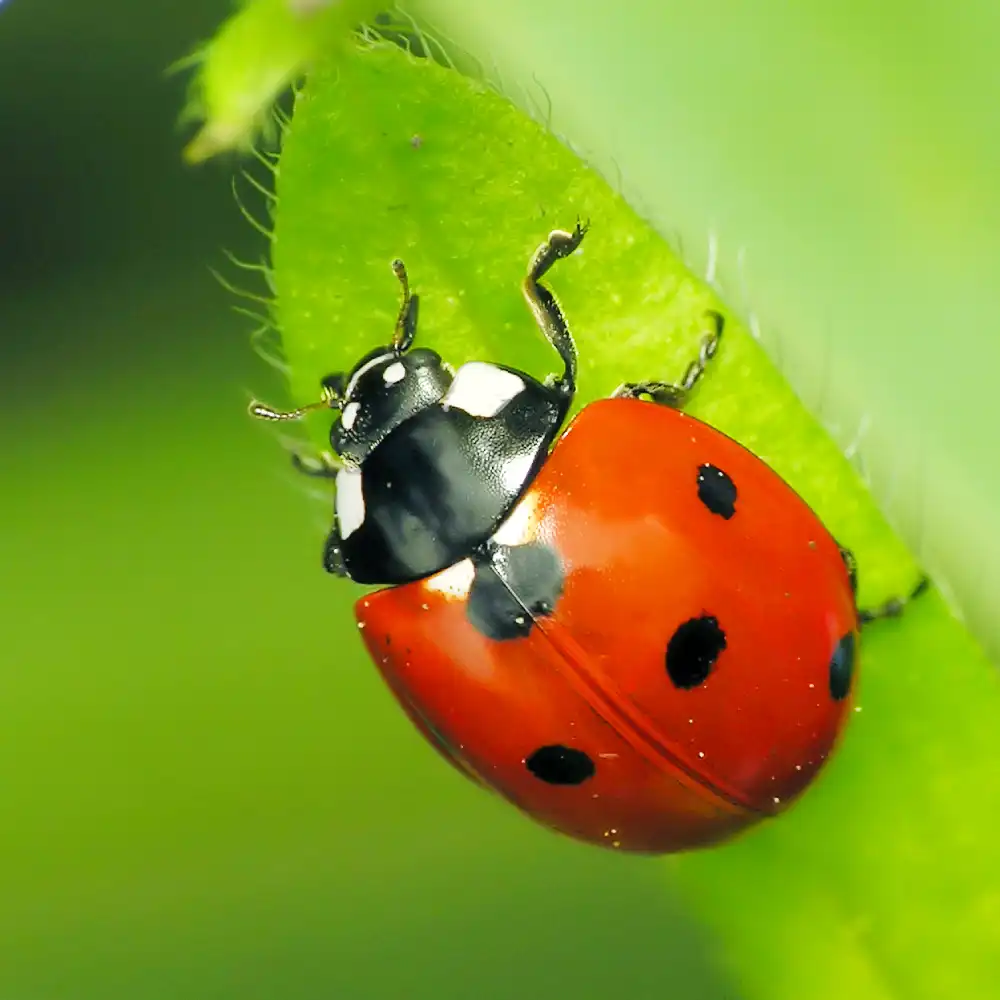
Ladybugs (Coccinella septempunctata):
Ladybugs are natural predators of harmful aphids. They can multiply rapidly and are very effective as a biological control method. They only feast on aphids and do not hunt beneficial insects like pollinators.
Nematodes
The larvae present in the soil absorb the nitrogen and other nutrients, hence causing growth issues and small crop yield. So, to deal with them, scientists have found some nematodes that are harmful to these pests. Nematodes like Steinernema feltiae, Heterohabditis bacteriophora, infect the larvae and fungi with deadly bacteria and help keep their infestation in check.
Bacillus thuringiensis
Bacillus thuringiensis is a gram-positive bacterium used as a biological alternative to chemical sprays. This bacterium is particularly used against caterpillars to attack their stomach and reduce their population significantly. It is safe for humans and livestock.
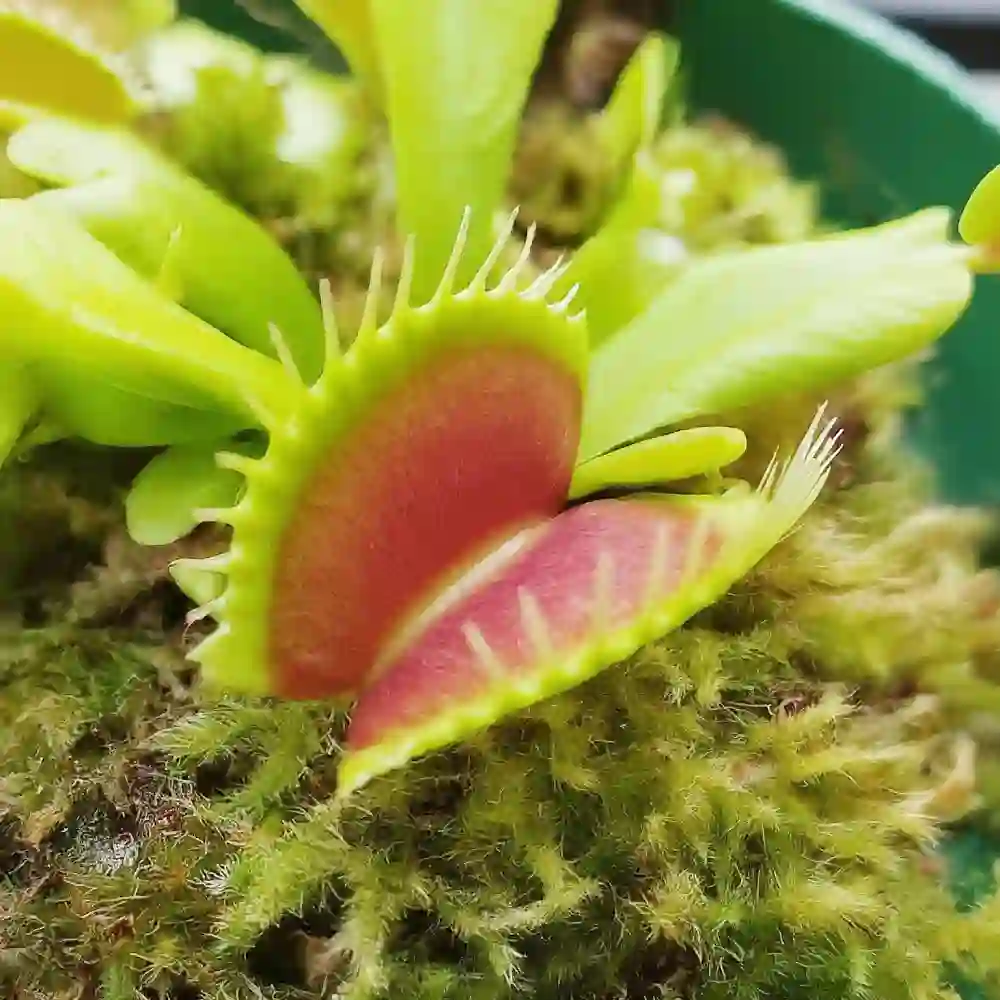
Venus Fly Trap (Dionaea muscipula)
The Venus flytrap originated in the subtropical wetlands of North and South Carolina. Its leaves have flat stalks and have traps for insects. These traps close when an insect lands on them. The plant then absorbs nutrients from those insects.
Pros
- Most insects and bacteria are effective against only the harmful pest, it does not consume the beneficial pests.
- Low to zero toxicity- emits no harmful chemical compounds to the environment.
Cons
- Without proper conditions, it has limited effectiveness in a household garden or in a highly controlled environment.
- Some predatory insects or plants may consume beneficial plants if population overlaps. Venus flytraps don’t really differentiate between harmful pests and pollinators, like bees and butterflies. So, it is deadly for them as well.
Chemical Control
Chemical control methods deliver instant results, which is why it remains the standard method for professionals. Nowadays, we have gone quite beyond the age of DDT and gamaxine. Modern chemical pesticides are made to minimize environmental hazards. However, a true understanding of pest biology and behavior is essential for successful chemical control.
The Different Methods of Chemical Control
- Liquid treatment: farmers dissolve the chemicals in water or any other solvent and sprayed on plants or soil, killing the target instantly.
- Bait system: It is used in relatively smaller amounts. Pests consume the pesticide and share it with colony members, eradicating the whole colony. This method is effective against cockroaches, ants, termites, etc.
- Dust applications: It offers long-lasting protection in tight areas like voids, cracks, etc.
Pros
- Kills the target instantly and lasts for nearly 90-120 days.
- Although harmful poisons like DDT and gamaxines are currently banned in the market, modern pesticides also offer protection against a wide range of pests from bugs to locusts.
Cons
- Can cause severe itching and irritation if it comes in contact with the skin.
- If taken internally, it is deadly for children and pets.
- Pests can develop immunity against these chemicals if they are used in large amounts frequently, rendering them ineffective.
- The user needs to follow safety protocols strictly. The user should avoid all physical contact with the chemicals and cover eyes, ears, nose, and mouth thoroughly to avoid any contact or inhalation.
Integrated Pest Management (IPM)
It combines all methods into a systematic approach that lasts for a long time. Instead of focusing on only one method, IPM uses thorough monitoring of the situation and uses the necessary method.
IPM Framework
- If you contact IPM service providers, they will monitor the biology and characteristics of the pest thoroughly and determine which method is necessary.
- The action threshold is the point determined by experts at which their intervention becomes inevitable.
- IPM service providers use strategies like exclusion, modification, and habitat management to prevent pests. Exclusion means setting up traps or barriers to prevent the pests from accessing the plants. Modification is the strategy of crop rotation, the development of irrigation, and other methods to break the life cycle of the pests. Habitat Management refers to changing the surroundings of the fields so that it becomes less favorable for pests. Farmers are recommended to plant flowering plants to attract pollinators and remove stagnant water to control mosquitoes.
- Targeted control is the appropriate method selected by experts based on the current situation.
IPM delivers relatively superior outcomes than other methods. Experts refrain from using chemicals, reducing any chance of the development of chemical resistance among pests. Experts determine the scenario thoroughly first and then customize the service needed.
Pros
- IPM services remain effective for a longer period of time compared to other methods.
- It reduces the dependency on chemical pesticides, reducing the chances of environmental pollution and chemical resistance among the pests.
- Since chemicals are used in less quantity and only under the strict supervision of experts, it is less harmful to children and pets.
Cons
- IPM services provided by the private entrepreneurs are expensive, and therefore inaccessible for poor farmers, unless provided by the Government.
- Requires thorough monitoring and expert checkups at regular intervals.
Additional Tips for Pest Control
- The infected plants should be removed from the field immediately, and the infected residual parts should be destroyed.
- Composts often boost the plant’s immunity against pests, as well as acting as organic fertilizers.
- Solarize the soil to kill off the microorganisms, larvae, and other pests in the soil. The UV rays present in the sunlight are a natural pesticide.
- Use physical barriers like nets, row covers, and ProTekNet to keep pests out. Make sure that these barriers allow enough sunlight to pass.
- Sanitize the tools after destroying the infected crops; this will minimize the chances of transmitting the disease to other plants.
- In case of a home garden or a small farm, castile soap, oil, or pest-resistant soil can be used.
Selecting the Correct Method
Several factors determine the type of pest control method needed, such as the species of pests, the environment, the severity, etc. Thus, selecting the correct method is crucial for the best results. Some examples include:
- Locust Infestation: Locusts attack in large swarms and breed uncontrollably, causing damage on a large scale. If setting up barriers fails, chemical sprays and full IPM intervention must be used.
- Rat Infestation: Requires IPM intervention and seasonal changes in methods.
- Aphid Infestation: Ladybugs are natural predators of aphids. They can offer a sustainable, eco-friendly, and long-lasting solution to aphid infestation, while causing zero damage to crops and other beneficial insects like pollinators.
After a thorough inspection of the soil, surroundings, and severity of infestation, experts will determine which method works best for the farmer and will customize the service as such.
Conclusion
Understanding the pests’ biology and behavior is key to eradicating pests from fields. Since the private IPM services are expensive for poor farmers, the Government of India heavily promotes IPM services and provides subsidies. The Ministry of Agriculture and Farmers Welfare of the Government of India has launched Paramparagat Krishi Vikas Yojana (PKVY) and Mission Organic Value Chain Development for North-Eastern Region (MOVCDNER) to promote organic farming. Moreover, The Directorate of Plant Protection, Quarantine & Storage runs 35-36 Governmental IPM networks across the states and UTs.
FAQs
Chemical control works the fastest, but IPM services prevent pests from coming back for a long time.
Yes, biological pest control methods use pests’ natural predators like ladybugs, nematodes, venus flytraps, etc., making them the safest option for babies and children.
Aphids and locusts are the most common types of pests around the world.
Thrips, Diamondback moth larvae, and spider mites are the most difficult to identify, as they blend with the color of the stem. They can be identified only using the IPM method.
Yes, you can. But combining different methods requires knowledge and professional expertise.
It depends on the method and the pest. There should be non-stop monitoring. Biological releasers should be seasonal, and chemical components typically last for around 30-90 days.